ABOUT ME
Job Experience

RankOne SEO | Feb. 17 2025 - Present
- Conducted comprehensive keyword research and competitive analysis to identify high-value opportunities, resulting in improved organic search rankings for multiple client websites
- Optimized on-page elements including meta tags, headers, content structure, and internal linking to enhance search visibility and user experience
- Developed and executed content strategies aligned with SEO best practices, supporting client objectives and target audience engagement
- Built quality backlink profiles through outreach campaigns, guest posting, and relationship building with relevant industry websites
- Performed technical SEO audits identifying and resolving issues related to site speed, crawlability, mobile optimization, and schema markup
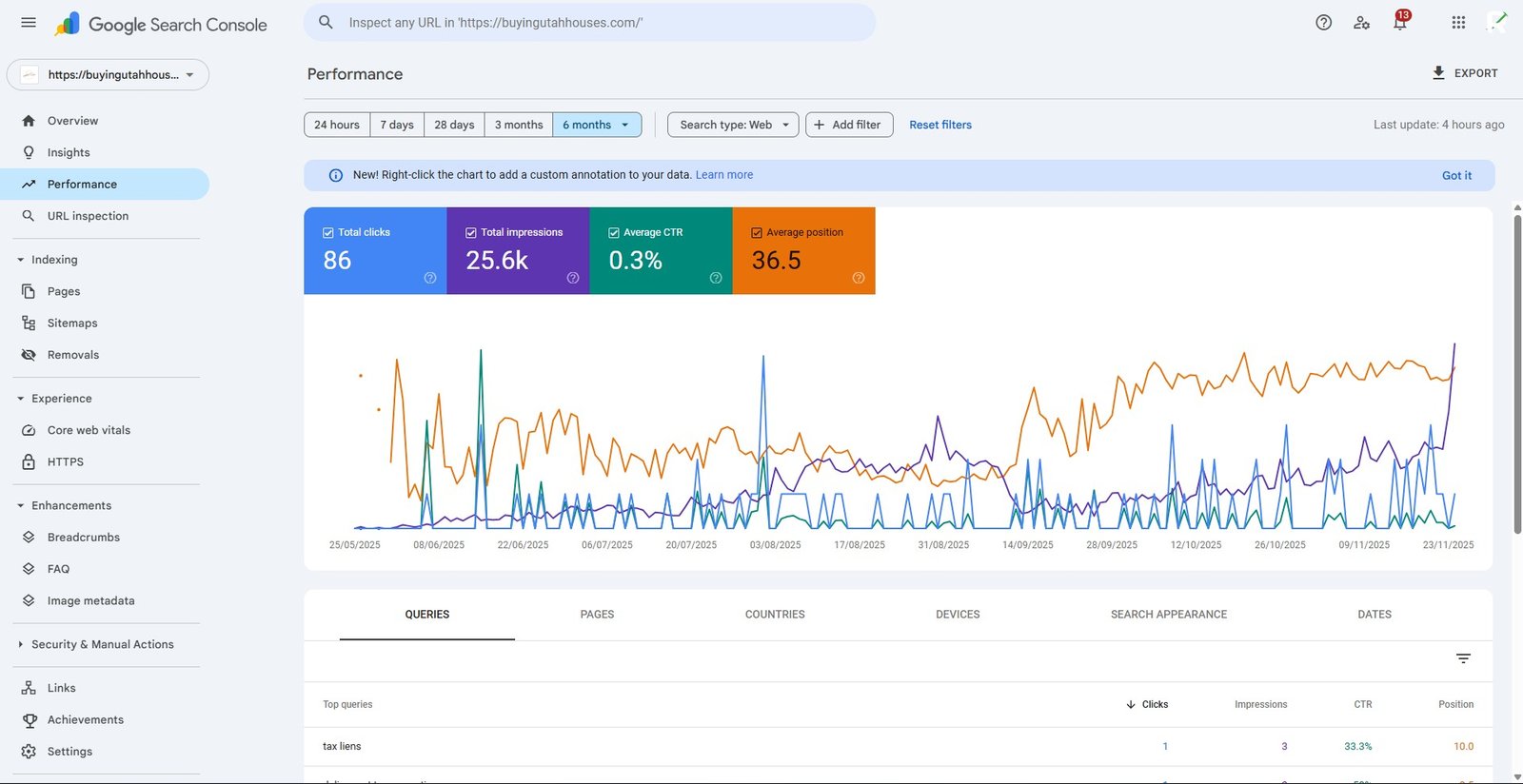
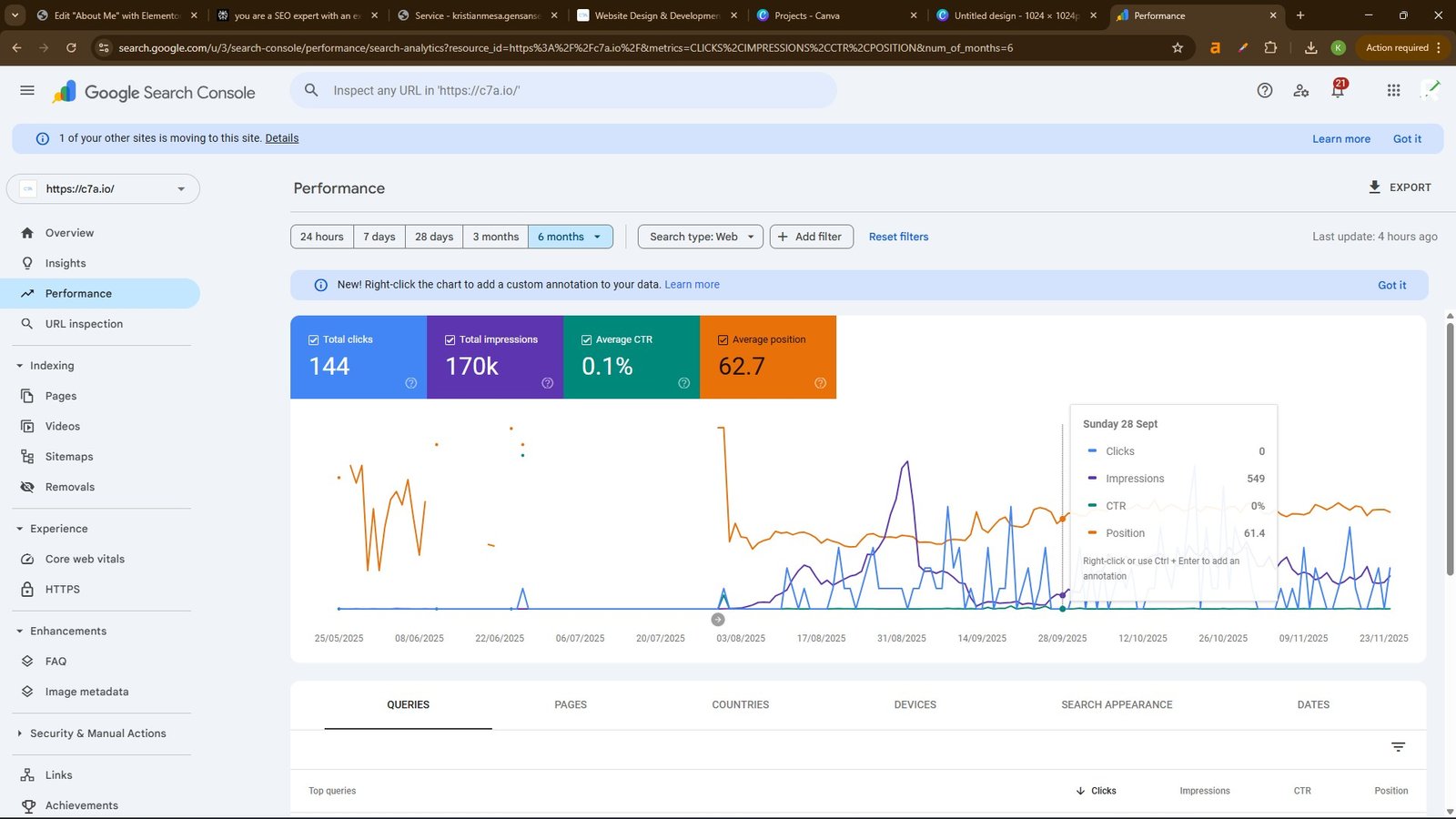
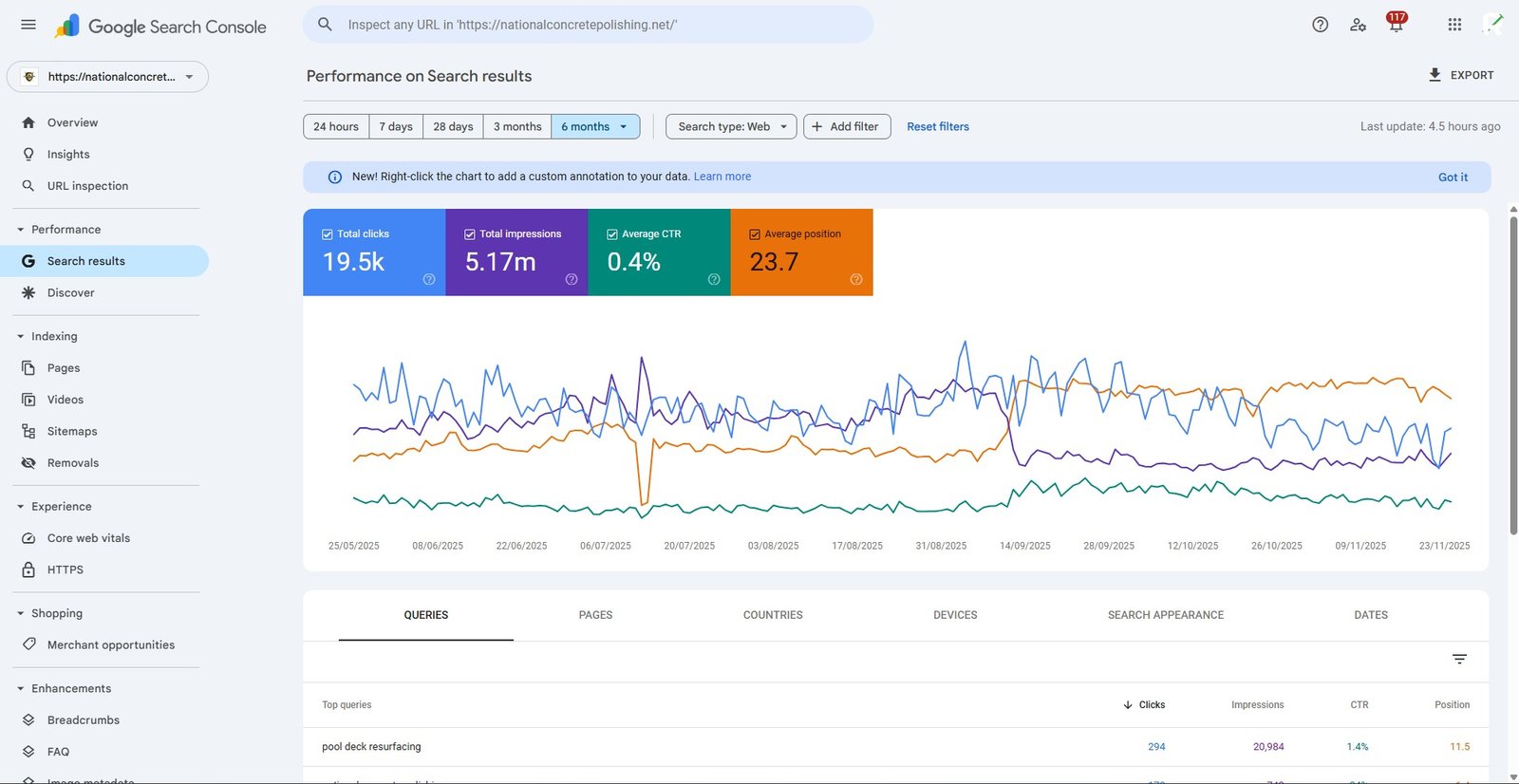
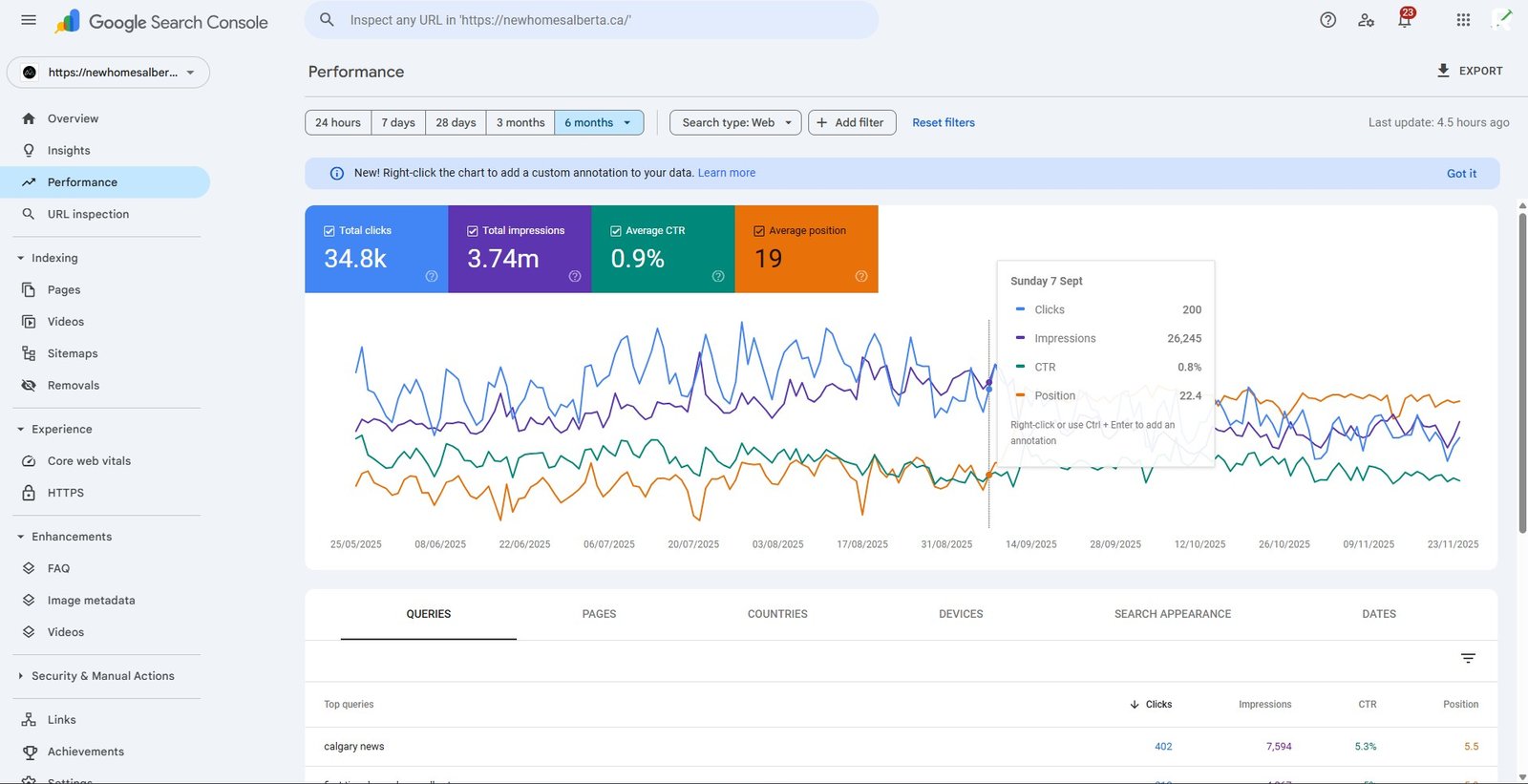
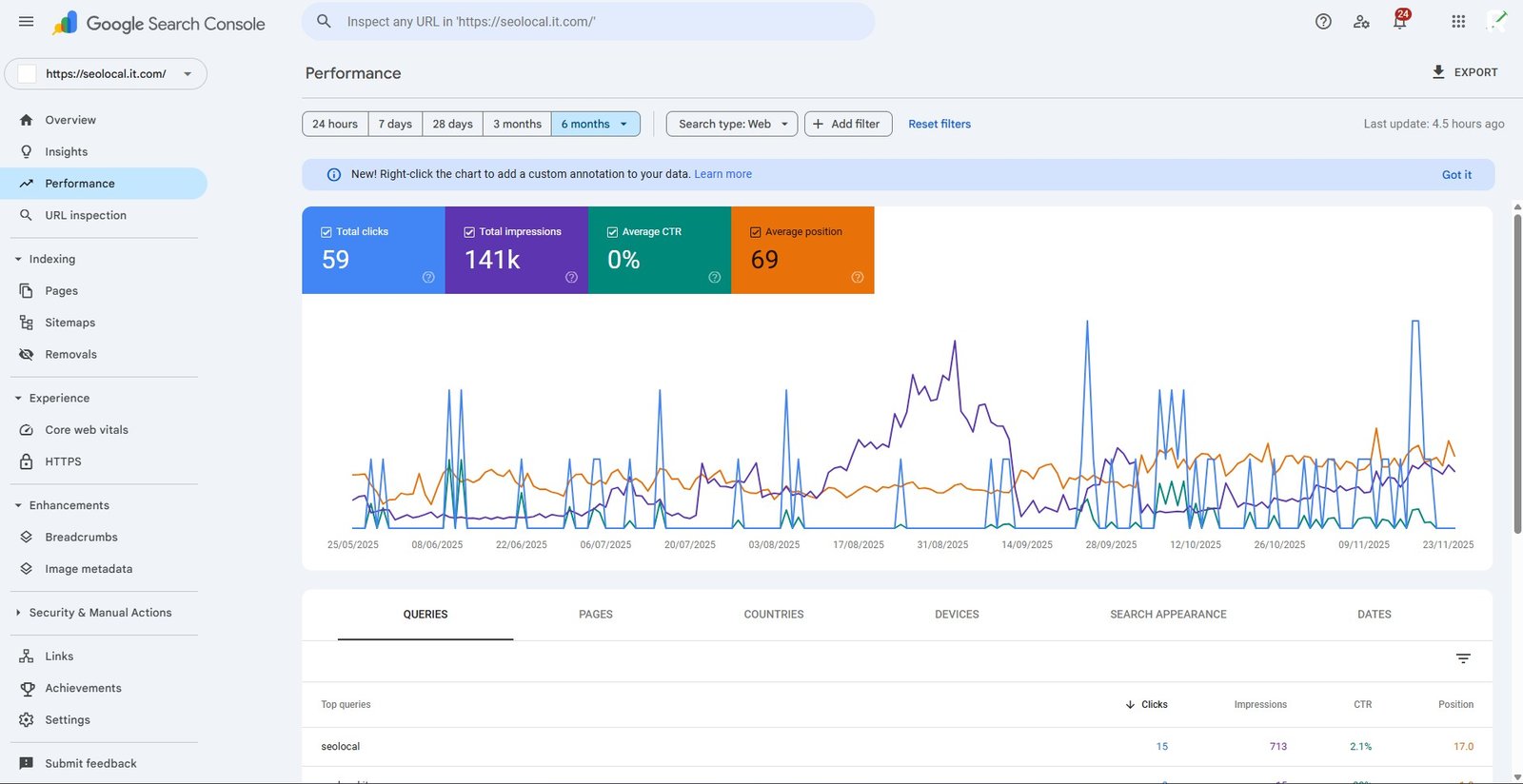
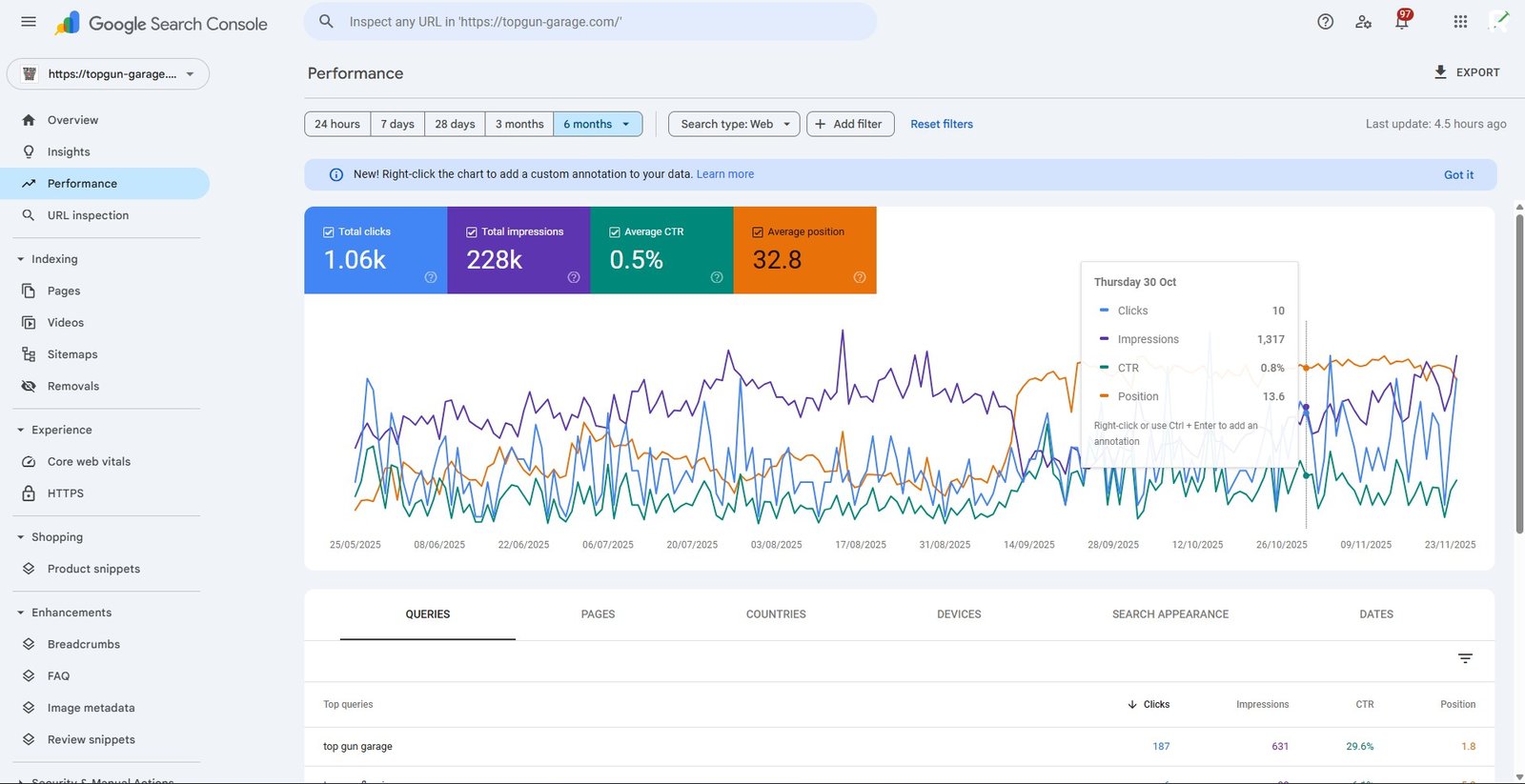
- Analyzed website performance using Google Analytics, Search Console, and SEO tools to track KPIs, generate reports, and inform data-driven optimization strategies
my strategy for SEO
Phase 1: The “Digital Health” Check
Before building content, ensure the foundation is unbreakable.
Speed & Mobile First: Optimize all images and ensure the site loads in under 2.5 seconds. Most users in 2026 are on mobile; if it lags, they leave.
Fix the 404s: Regularly scan for broken links. Use a Redirection Map to send users from old, dead pages to fresh, relevant ones.
Structured Data (Schema): Add Local Business Schema to service pages. This “talks” directly to AI assistants, telling them exactly where you are and what you do.
Phase 2: The “Topic Cluster” Content Plan
Stop writing random posts. Build a “Web of Authority.”
The Pillar Page: Create one “Ultimate Guide” (e.g., The Complete Guide to Industrial Flooring).
The Support Posts: Write 5–10 specific sub-articles (e.g., How Humidity Affects Concrete, Best Epoxy for Warehouses).
The Internal Loop: Link every sub-article back to the Pillar Page using descriptive anchor text. This tells Google, “We are the experts on this entire subject.”
Phase 3: Optimizing for “The Answer”
SEO in 2026 is about winning the “Snippet” and being cited by AI.
The “TL;DR” Box: At the top of every article, provide a 40-word summary that answers the primary keyword. This is “bait” for AI search engines.
Information Gain: Don’t just repeat what’s on Wikipedia. Add unique data, case studies, or checklists that don’t exist anywhere else.
LSI & Context: Don’t just “stuff” keywords. Use related terms (e.g., if writing about “Real Estate,” include “Rental Yield,” “Closing Costs,” and “Property Management”).
Phase 4: Building “E-E-A-T” (Trust)
Google needs to know you are a real, credible professional.
Proof of Experience: Use phrases like “In our 10 years of doing this…” or “When we visited the site…” to prove the content isn’t just AI-generated.
Author Bios: Every article should have a bio linking to a LinkedIn profile or professional portfolio.
The Video Multiplier: Embed a 60-second video explaining the article’s core concept. This keeps people on the page longer (a massive ranking signal).
Phase 5: Off-Page & Brand Power
Success happens when people search for YOU, not just your keywords.
Guest Expertise: Contribute to industry-specific websites to get high-quality backlinks.
Brand Search: Encourage clients to search for your business by name (e.g., “Your Brand Name + SEO Services”).
Google Business Profile: Keep this updated with fresh photos and reviews. For local SEO, this is more important than the website itself.
My approach to SEO
SEO changes quickly, so continuous learning is a core part of how I work. I stay up to date with algorithm updates, best practices, and emerging tactics, and then translate those into practical recommendations that non-technical stakeholders can understand and act on.
I believe the best SEO is a mix of solid technical foundations, genuinely helpful content, and a clean user experience that makes it easy for people to find what they need.

Experience and results
Tools and skills